Getting More Power from the Isuzu 4JA1 Engine
Isuzu 4JA1 Engine: Critical Specifications and Efficiency Information
The Isuzu 4JA1 engine stands out in the domain of diesel engines with its impressive specifications and performance metrics. With a design centered on efficiency and reliability, it caters to various agricultural and commercial demands. Understanding its torque, power, and operational efficiency can illustrate why this engine stands as a preferred option. However, its true capabilities is best valued when investigating its applications and maintenance insights. What establishes the 4JA1 a lasting option in today's market?
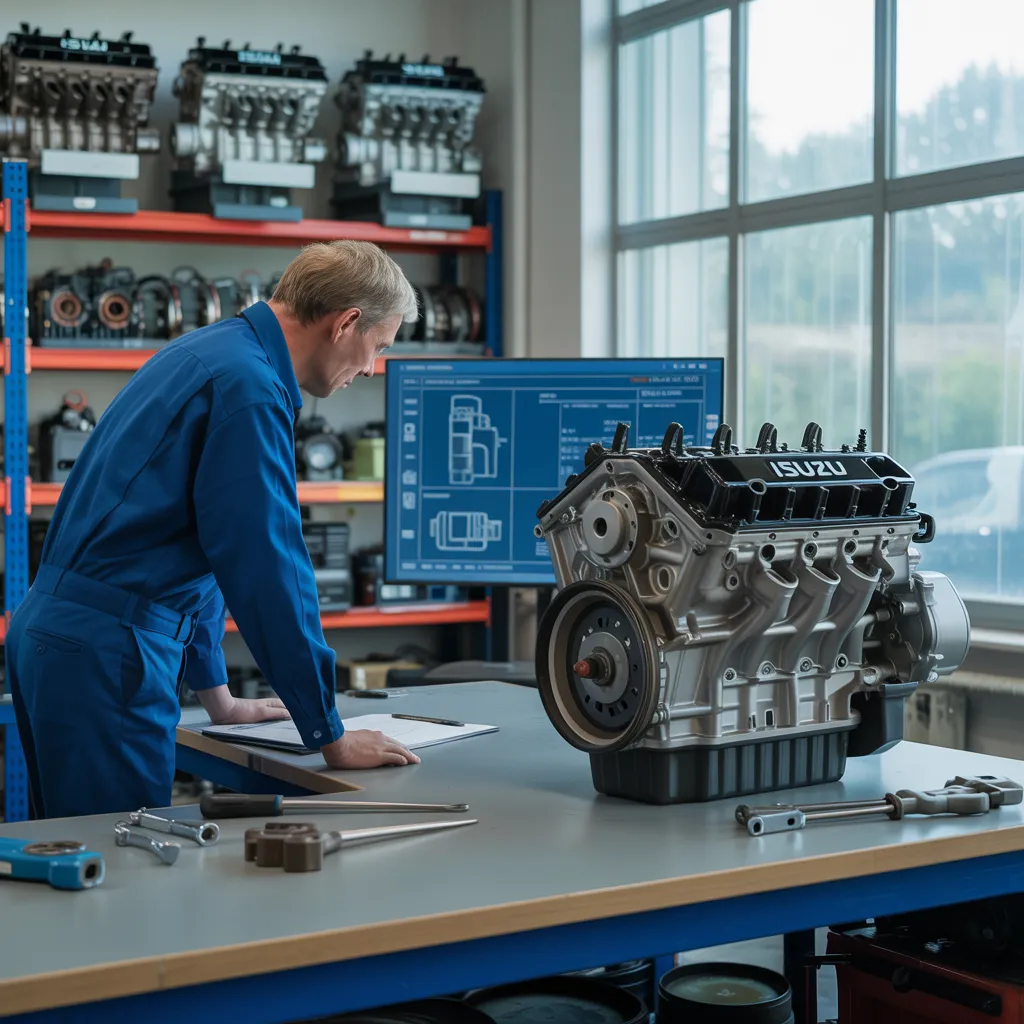
Essential Particulars of the Isuzu 4JA1 Engine
The Isuzu 4JA1 engine is renowned for its durable construction and efficient performance. This four-cylinder diesel engine boasts a cubic capacity of 2.5 liters, offering a balance of torque and fuel efficiency. With a cylinder width of 91 mm and a stroke of 102 mm, it improves combustion efficiency. The engine is outfitted with a direct fuel injection system, boosting its responsiveness and performance in various driving scenarios.
It operates with a compression rate of 22.0:1, contributing to its torque properties and overall reliability. The 4JA1 engine typically produces around 75 to 90 horsepower, depending on the specific application and tuning. Furthermore, it is designed to accommodate various transmission options, rendering it adaptable for diverse vehicle categories. Its light-weight design and compact size further enhance its attractiveness in both commercial and recreational vehicles. Overall, the 4JA1 exemplifies Isuzu's dedication to technical quality.
Understanding Strength and Torque of the 4JA1
The power output of the Isuzu 4JA1 engine serves as a critical aspect that determines its performance in various applications. Learning about the torque properties reveals understanding into how capably the engine can transmit power in varying scenarios. Combined, these aspects contribute to the comprehensive performance and effectiveness of the 4JA1 engine.
Power Yield Specifications
Power and torque are key metrics that characterize the output of the Isuzu 4JA1 engine. This engine is valued for its reliable power output, delivering approximately 68 horsepower at 4,200 RPM. The design centers on efficiency, making it useful for various applications, from commercial vehicles to agricultural machinery. Its power curve is set up for peak performance across different driving conditions. The 4JA1's construction includes heavy-duty components that support its durability and longevity, essential for demanding tasks. Additionally, the engine's architecture allows for smooth power delivery, ensuring that it meets the expectations of both operators and manufacturers. This partnership of power output and reliability establishes the 4JA1 as a significant option in its class.
Torque Characteristics Broken Down
While engine output is essential, understanding torque characteristics is equally critical for evaluating the Isuzu 4JA1 engine's performance. This powerplant delivers a peak torque of about 192 Nm at 2,200 RPM, which plays a significant role in its overall effectiveness and productivity. Torque, often called the engine's torque force, enables vehicles equipped with the 4JA1 to perform demanding tasks, such as hauling and towing. The engine's torque curve remains relatively flat, providing consistent power delivery across a variety of RPMs. This feature improves vehicle control, especially in off-road and heavy-duty conditions. Overall, the torque specifications emphasize the 4JA1's fitness for both commercial and recreational use, making it a trusted option for various driving scenarios.
Fuel Efficiency of the Isuzu 4JA1 Engine: What to Prepare For
The fuel economy of the Isuzu 4JA1 engine is a crucial consideration for potential users. Understanding its fuel consumption metrics can offer valuable insights into real-world performance and operational costs. This exploration will showcase what users can typically expect from this engine concerning efficiency.
Fuel Burn Statistics
Fuel efficiency remains a critical consideration for motorists pursuing peak output from the Isuzu 4JA1 engine. This engine, recognized for its sturdy construction, typically demonstrates impressive fuel consumption metrics. On average, the Isuzu 4JA1 engine delivers approximately 8 to 10 km/liter, based on driving conditions and load. Factors such as vehicle weight, maintenance, and driving habits can significantly influence these figures. The engine's design emphasizes a balance between power output and fuel economy, rendering it a dependable choice for both urban and rural driving. Overall, the 4JA1 showcases efficient fuel consumption, serving those who value both performance and cost-effectiveness in their driving experience.
Real-World Operational Findings
How does the Isuzu 4JA1 engine operate in real-world driving scenarios? In everyday use, this engine exhibits commendable fuel efficiency, averaging around 25 to 30 miles per gallon, depending on driving conditions and load. Drivers often note that its diesel configuration provides a good balance get started of power and economy, making it suitable for both urban commuting and long-distance travel. Additionally, the engine's torque delivery enhances performance in various terrains, contributing to its reputation for reliability. Routine maintenance plays an crucial role in sustaining peak efficiency, as neglected engines may experience reduced mileage. Overall, the Isuzu 4JA1 stands out in its class for offering economical performance that meets the demands of diverse driving environments.
Prime Purposes for the Isuzu 4JA1 Engine
While many engines perform well in specialized tasks, the Isuzu 4JA1 engine stands out for its versatility across various applications. This robust engine is widely recognized for its performance in commercial vehicles, particularly light trucks and vans, where endurance and dependability are paramount. Its impressive torque characteristics make it well-suited for endeavors involving heavy cargo, such as delivery services and construction work.
Moreover, the 4JA1 engine is frequently applied in agricultural machinery, where dependable power output is essential for work such as tilling and hauling. Its efficiency also appeals to fleet operators intent on decreasing operational costs.
In addition, the engine's compact design makes it possible it to integrate into various vehicle models, boosting its versatility. Overall, the Isuzu 4JA1 represents a trustworthy choice for a range of industries, from logistics to agriculture, illustrating its multifunctional capabilities in the marketplace.
Important Service Suggestions to Extend the Longevity of Your 4JA1 Engine
To maintain the durability of the Isuzu 4JA1 engine, regular upkeep is crucial. Regular oil replacements with premium lubricant maintain internal components lubricated and minimize deterioration. Checking and replacing the air filter consistently guarantees ideal airflow, enhancing engine performance. In addition, tracking coolant amounts and inspecting the cooling system prevent overheating, a common issue for diesel engines.
Consistently inspecting hoses and belts for signs of aging can avert breakdowns. Upkeeping the fuel apparatus well-maintained by using quality fuel and regular fuel filter changes promotes smooth combustion. Also, preserving correct tire pressure and alignment not only increases fuel economy but also reduces strain on the engine.
To summarize, sticking to the maker's recommended service intervals ensures that all parts function smoothly. By following these maintenance tips, vehicle owners can substantially prolong the life of their Isuzu 4JA1 engine, ensuring steady operation over the extended timeframe.
Diagnosing Typical Challenges With the 4JA1 Engine
Regular upkeep can help avoid many problems associated with the Isuzu 4JA1 engine, but issues may still occur over time. One common issue is overheating, often caused by a faulty thermostat or a blocked radiator. Drivers should regularly check coolant levels and inspect the cooling system for leaks. Another frequent issue is poor fuel efficiency, which can stem from clogged fuel filters or faulty injectors. Making sure these components are clean can improve performance. Additionally, unusual noises may indicate worn bearings or timing belt issues; early diagnosis is crucial to avoid extensive damage. Finally, smoke from the exhaust can indicate combustion problems, possibly due to worn piston rings or valve seals. Addressing these problems promptly and consulting a qualified mechanic can enhance the longevity and reliability of the 4JA1 engine, making sure it continues to perform at its best.
Where Does the 4JA1 Stand Among Other Isuzu Diesel Engines?
How does the Isuzu 4JA1 engine fare against its diesel counterparts within the Isuzu array? The 4JA1, a 2.8-liter inline-four engine, is admired for its trustworthiness and fuel efficiency, making it a leading option for numerous uses. When pitted against the substantial 4BD1 and 4HE1 engines, the 4JA1 presents a poise of power and torque appropriate for lighter vehicles, while the bigger models supply optimized capability for heavier loads. The 4BD1, with its 3.9-liter displacement, grants enhanced horsepower and torque but may forfeit fuel efficiency, a crucial factor for many users. Meanwhile, the 4HE1 engine, respected for its advanced technology, prospers in environmental compliance, drawing to sustainability-focused consumers. Overall, the 4JA1 stands apart for its functional design, making it an best option for those wanting dependable performance without the difficulty of larger engines.
Frequently Posed Questions
What Is the Historical Development of the Isuzu 4JA1 Engine?
The Isuzu 4JA1 engine, launched in the late 1980s, became renowned for its durability and efficiency. Over the years, it developed through various applications, solidifying its reputation in commercial and light-duty vehicles globally.
How Well Does the 4JA1 Engine Work in Adverse Weather Conditions?
The 4JA1 engine delivers reliable output in extreme weather conditions, maintaining efficiency and power. Its resilient construction enables effective functioning in both cold and hot environments, confirming longevity and flexibility for assorted driving conditions.
Which aftermarket modifications do owners favor for the 4JA1 Engine?
Popular aftermarket modifications for the 4JA1 engine consist of enhanced intercoolers, high-performance exhaust systems, enhanced air intakes, and reprogrammed engine management systems, all designed to boosting power, efficiency, and overall performance in various driving conditions.
Do frequent inaccuracies pertain to the 4JA1 engine?
Widespread misconceptions surrounding the 4JA1 engine concern its reliability and output potential. Some believe it is lacking in power, while others downplay its durability, not recognizing its potential when properly maintained and enhanced with effective modifications.
What Represents the Typical Lifespan of the Isuzu 4JA1 Engine?
The expected lifespan of the Isuzu 4JA1 engine stretches from 200,000 to 300,000 kilometers, determined by maintenance routines and operating conditions, frequently embodying the durability and steadfastness that users have come to expect from this engine.